
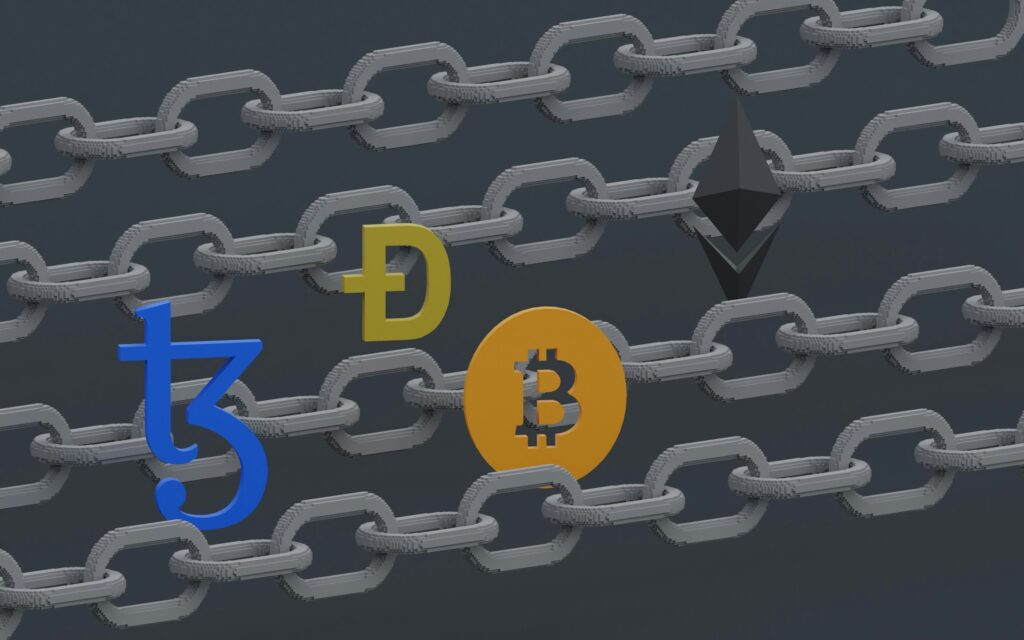
In the ever-evolving landscape of technology, few innovations have garnered as much attention and promise as blockchain technology. Originally conceived as the underlying technology for Bitcoin, blockchain has since transcended its cryptocurrency roots to become a transformative force across various industries. From finance and healthcare to supply chain management and beyond, blockchain is reshaping how we think about data security, transparency, and trust in the digital age.
What is Blockchain Technology?
This article delves into the fundamentals of blockchain technology, its key features, applications across different sectors, and the challenges it faces. By the end, you’ll have a comprehensive understanding of why blockchain is considered a revolutionary technology and how it is poised to shape the future.
At its core, blockchain is a decentralized, distributed ledger technology (DLT) that records transactions across a network of computers. Unlike traditional centralized systems, where a single entity controls the database, blockchain operates on a peer-to-peer network where each participant (or node) has access to the entire ledger. This decentralization ensures that no single entity has control over the data, making it highly secure and resistant to tampering.
The term “blockchain” derives from the way data is structured: transactions are grouped into blocks, which are then linked together in a chronological chain. Each block contains a cryptographic hash of the previous block, a timestamp, and transaction data. This structure ensures that once a block is added to the chain, it cannot be altered without changing all subsequent blocks, which would require the consensus of the majority of the network. This immutability is one of the key features that make blockchain so secure.
Key Features of Blockchain
- Decentralization: Unlike traditional systems that rely on a central authority, blockchain operates on a decentralized network. This eliminates the need for intermediaries, reducing costs and increasing efficiency.
- Transparency: All transactions on a blockchain are visible to all participants in the network. This transparency fosters trust among users, as they can independently verify the integrity of the data.
- Immutability: Once a transaction is recorded on the blockchain, it cannot be altered or deleted. This immutability ensures the integrity of the data and makes blockchain an ideal solution for applications where data security is paramount.
- Security: Blockchain uses advanced cryptographic techniques to secure data. Each block is linked to the previous one through a cryptographic hash, making it extremely difficult for malicious actors to alter the data.
- Consensus Mechanisms: Blockchain networks rely on consensus mechanisms to validate transactions and add them to the ledger. Popular consensus mechanisms include Proof of Work (PoW) and Proof of Stake (PoS), each with its own advantages and trade-offs.
Applications of Blockchain Technology
Blockchain’s unique features have led to its adoption across a wide range of industries. Here are some of the most notable applications:
- Financial Services: Blockchain’s most well-known application is in the realm of cryptocurrencies like Bitcoin and Ethereum. However, its potential extends far beyond digital currencies. Blockchain can streamline cross-border payments, reduce fraud, and enable faster, more secure transactions. Smart contracts, self-executing contracts with the terms directly written into code, are another innovation made possible by blockchain, enabling automated and trustless transactions.
- Supply Chain Management: Blockchain can enhance transparency and traceability in supply chains. By recording every transaction on an immutable ledger, companies can track the movement of goods from origin to destination, reducing the risk of fraud and ensuring the authenticity of products. This is particularly valuable in industries like food and pharmaceuticals, where traceability is crucial.
- Healthcare: Blockchain has the potential to revolutionize healthcare by providing a secure and interoperable platform for storing and sharing patient data. This can improve the accuracy of medical records, reduce administrative costs, and enhance patient privacy. Additionally, blockchain can be used to track the provenance of drugs, ensuring that counterfeit medications do not enter the supply chain.
- Voting Systems: Blockchain can address many of the challenges associated with traditional voting systems, such as voter fraud and tampering. By recording votes on a blockchain, elections can be made more transparent, secure, and accessible. This could lead to increased voter trust and participation.
- Real Estate: The real estate industry is often plagued by inefficiencies, fraud, and a lack of transparency. Blockchain can streamline property transactions by providing a secure and transparent platform for recording ownership and transferring titles. This can reduce the need for intermediaries, lower transaction costs, and speed up the process.
- Intellectual Property and Royalties: Blockchain can be used to protect intellectual property rights and ensure that creators are fairly compensated for their work. By recording ownership and usage rights on a blockchain, artists, musicians, and other creators can track the use of their work and receive royalties automatically through smart contracts.
Challenges and Limitations
Despite its numerous advantages, blockchain technology is not without its challenges. Some of the key issues include:
- Scalability: As the number of transactions on a blockchain network increases, so does the size of the ledger. This can lead to scalability issues, as the network may become slower and more resource-intensive. Various solutions, such as sharding and layer-2 protocols, are being explored to address this challenge.
- Energy Consumption: Some blockchain networks, particularly those that use Proof of Work (PoW) consensus mechanisms, require significant amounts of energy to validate transactions. This has raised concerns about the environmental impact of blockchain technology. Alternative consensus mechanisms, such as Proof of Stake (PoS), are being developed to reduce energy consumption.
- Regulatory Uncertainty: The regulatory landscape for blockchain technology is still evolving. Different countries have different approaches to regulating blockchain and cryptocurrencies, leading to uncertainty for businesses and users. Clear and consistent regulations are needed to foster innovation while protecting consumers.
- Interoperability: With so many different blockchain platforms in existence, interoperability between them is a significant challenge. Efforts are underway to develop standards and protocols that enable different blockchains to communicate and share data seamlessly.
- Adoption and Education: Despite its potential, blockchain technology is still relatively new and complex. Widespread adoption will require significant investment in education and infrastructure to ensure that businesses and individuals understand how to use blockchain effectively.
The Future of Blockchain Technology
As blockchain technology continues to mature, its potential to transform industries and create new opportunities is immense. Here are some trends and developments to watch in the coming years:
- Enterprise Blockchain Adoption: More and more enterprises are recognizing the value of blockchain technology and are investing in its development. Industries such as finance, supply chain, and healthcare are leading the way, but we can expect to see blockchain adoption across a wide range of sectors.
- Interoperability Solutions: As the number of blockchain platforms grows, the need for interoperability will become increasingly important. Projects like Polkadot and Cosmos are working on solutions that enable different blockchains to communicate and share data, paving the way for a more connected blockchain ecosystem.
- Decentralized Finance (DeFi): DeFi is an emerging sector that leverages blockchain technology to create decentralized financial systems. By eliminating intermediaries, DeFi platforms offer users greater control over their financial assets and the potential for higher returns. The DeFi space is rapidly evolving, with new innovations and applications being developed regularly.
- Central Bank Digital Currencies (CBDCs): Several central banks around the world are exploring the possibility of issuing their own digital currencies using blockchain technology. CBDCs could offer a more efficient and secure alternative to traditional fiat currencies, with the potential to transform the global financial system.
- Blockchain and IoT: The Internet of Things (IoT) is another area where blockchain technology can have a significant impact. By providing a secure and decentralized platform for managing IoT devices and data, blockchain can enhance the security, privacy, and efficiency of IoT networks.
Blockchain technology is undoubtedly one of the most transformative innovations of the 21st century. Its decentralized, transparent, and secure nature has the potential to revolutionize industries, create new business models, and empower individuals. While challenges remain, the ongoing development and adoption of blockchain technology suggest a bright future ahead.
As we continue to explore the possibilities of blockchain, it is essential to approach its development and implementation with a focus on education, collaboration, and responsible innovation. By doing so, we can unlock the full potential of blockchain technology and create a more secure, transparent, and equitable digital world.