
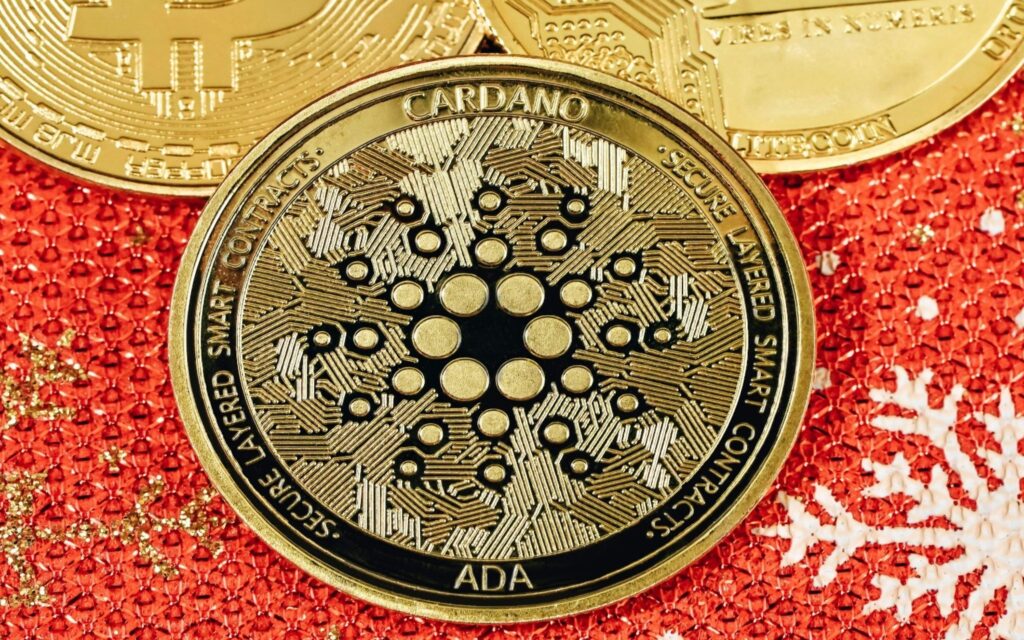
In the ever-evolving world of blockchain technology, Cardano has emerged as a prominent player, often referred to as a third-generation blockchain. Launched in 2017 by Charles Hoskinson, one of the co-founders of Ethereum, Cardano aims to address the limitations of earlier blockchain systems like Bitcoin and Ethereum. With a strong focus on scalability, sustainability, and interoperability, Cardano has garnered significant attention from both the crypto community and institutional investors. This article delves into the intricacies of Cardano, exploring its technology, unique features, use cases, and future potential.
The Genesis of Cardano
Cardano was conceived as a response to the shortcomings of first and second-generation blockchains. Bitcoin, the first-generation blockchain, introduced the concept of decentralized digital currency but faced challenges related to scalability and functionality. Ethereum, the second-generation blockchain, expanded the use cases of blockchain technology by introducing smart contracts. However, it too struggled with issues like scalability, energy consumption, and network congestion.
Charles Hoskinson, along with a team of engineers and researchers, founded Input Output Hong Kong (IOHK) to develop Cardano. The project was named after Gerolamo Cardano, a Renaissance-era Italian polymath, and its native cryptocurrency, ADA, was named after Ada Lovelace, a 19th-century mathematician often regarded as the first computer programmer.
Cardano’s Technological Foundation
Cardano is built on a unique technological foundation that sets it apart from other blockchain platforms. The project is developed using a research-driven approach, with peer-reviewed academic papers forming the basis of its protocols. This rigorous methodology ensures that Cardano’s technology is both robust and reliable.
Ouroboros Consensus Algorithm:
At the heart of Cardano is the Ouroboros consensus algorithm, a Proof-of-Stake (PoS) protocol that is both energy-efficient and secure. Unlike Bitcoin’s Proof-of-Work (PoW) mechanism, which requires significant computational power and energy consumption, Ouroboros allows Cardano to achieve consensus with minimal energy usage. This makes Cardano an environmentally friendly alternative to PoW-based blockchains.
Ouroboros divides time into epochs and slots, where each slot represents a short period during which a block can be created. Slot leaders are chosen randomly from a pool of stakeholders who hold ADA, the native cryptocurrency of Cardano. These slot leaders are responsible for validating transactions and creating new blocks. The randomness in the selection process ensures that the network remains decentralized and secure.
Layered Architecture:
Cardano’s architecture is divided into two main layers: the Cardano Settlement Layer (CSL) and the Cardano Computation Layer (CCL). The CSL is responsible for handling transactions and maintaining the ledger, while the CCL is designed for executing smart contracts and decentralized applications (dApps). This separation of concerns allows for greater flexibility and scalability, as each layer can be upgraded independently without affecting the other.
Plutus and Marlowe:
Cardano’s smart contract capabilities are powered by Plutus, a purpose-built smart contract development language. Plutus is based on Haskell, a functional programming language known for its reliability and security. This choice of language ensures that smart contracts on Cardano are less prone to bugs and vulnerabilities.
Additionally, Cardano offers Marlowe, a domain-specific language designed for financial contracts. Marlowe simplifies the creation of financial smart contracts, making it accessible to users without extensive programming knowledge. This opens up new possibilities for decentralized finance (DeFi) applications on the Cardano platform.
Cardano’s Unique Features
Cardano’s design incorporates several unique features that address the limitations of earlier blockchains:
Scalability:
Scalability is one of the most significant challenges facing blockchain technology. Cardano tackles this issue through several innovative solutions. The Ouroboros protocol allows for high transaction throughput, and the layered architecture ensures that the network can handle increased demand without compromising performance. Additionally, Cardano is exploring techniques like sharding and sidechains to further enhance scalability.
Sustainability:
Sustainability is a core principle of Cardano. The project is designed to be self-sustaining, with a treasury system that funds future development. A portion of the transaction fees collected on the network is allocated to the treasury, which is then used to finance projects and improvements proposed by the community. This decentralized governance model ensures that Cardano can continue to evolve and adapt over time.
Interoperability:
Interoperability is another key focus of Cardano. The platform aims to enable seamless communication and interaction between different blockchains. This is achieved through the use of sidechains and cross-chain communication protocols. By fostering interoperability, Cardano seeks to create a more connected and inclusive blockchain ecosystem.
Security:
Security is paramount in the design of Cardano. The use of formal methods and peer-reviewed research ensures that the platform’s protocols are rigorously tested and verified. This reduces the risk of vulnerabilities and attacks, making Cardano a secure choice for both individuals and enterprises.
Use Cases and Applications
Cardano’s versatile technology opens up a wide range of use cases across various industries:
Decentralized Finance (DeFi):
Cardano is well-positioned to play a significant role in the DeFi space. With its robust smart contract capabilities and focus on security, Cardano can support a variety of DeFi applications, including decentralized exchanges (DEXs), lending platforms, and stablecoins. The introduction of Marlowe further simplifies the creation of financial contracts, making DeFi more accessible to a broader audience.
Supply Chain Management:
The transparency and immutability of blockchain technology make it ideal for supply chain management. Cardano can be used to track the movement of goods, verify the authenticity of products, and ensure compliance with regulations. This can help reduce fraud, improve efficiency, and enhance trust in supply chain processes.
Identity Management:
Cardano’s secure and decentralized nature makes it a suitable platform for identity management solutions. By leveraging blockchain technology, Cardano can enable individuals to have control over their personal data and digital identities. This can be particularly useful in areas like voting, healthcare, and education.
Gaming and NFTs:
The gaming industry is increasingly embracing blockchain technology, and Cardano is no exception. The platform can support the creation of non-fungible tokens (NFTs) and in-game assets, providing players with true ownership and the ability to trade assets across different games. This opens up new revenue streams for game developers and enhances the gaming experience for players.
Social Impact:
Cardano has also been involved in various social impact initiatives. For example, the platform has partnered with governments and organizations in developing countries to provide blockchain-based solutions for issues like identity verification, land registry, and financial inclusion. These efforts demonstrate Cardano’s potential to drive positive change on a global scale.
The Future of Cardano
Cardano’s journey is far from over, and the project has an ambitious roadmap for the future. The development of Cardano is divided into five phases: Byron, Shelley, Goguen, Basho, and Voltaire. Each phase introduces new features and improvements, bringing Cardano closer to its vision of a fully decentralized and scalable blockchain platform.
Byron:
The Byron phase marked the launch of Cardano and the introduction of the ADA cryptocurrency. During this phase, the focus was on establishing the foundational infrastructure of the network.
Shelley:
The Shelley phase introduced staking and delegation, making Cardano a fully decentralized network. This phase also saw the implementation of the Ouroboros PoS protocol, enhancing the security and efficiency of the network.
Goguen:
The Goguen phase brought smart contract functionality to Cardano, enabling the development of dApps and DeFi solutions. This phase also introduced Plutus and Marlowe, making it easier for developers to create and deploy smart contracts.
Basho:
The Basho phase focuses on scalability and interoperability. This phase will introduce sidechains and other optimizations to improve the network’s performance and enable seamless interaction with other blockchains.
Voltaire:
The final phase, Voltaire, will establish a decentralized governance model for Cardano. This phase will introduce a treasury system and voting mechanisms, allowing the community to propose and fund projects that contribute to the growth and development of the platform.
Cardano represents a significant leap forward in blockchain technology, addressing the limitations of earlier systems and paving the way for a more scalable, sustainable, and interconnected future. With its research-driven approach, innovative features, and commitment to social impact, Cardano has positioned itself as a leading player in the blockchain space. As the project continues to evolve and mature, it holds the potential to transform industries, empower individuals, and drive positive change on a global scale. Whether you’re a developer, investor, or simply a blockchain enthusiast, Cardano is a project worth watching as it continues to shape the future of decentralized technology.