
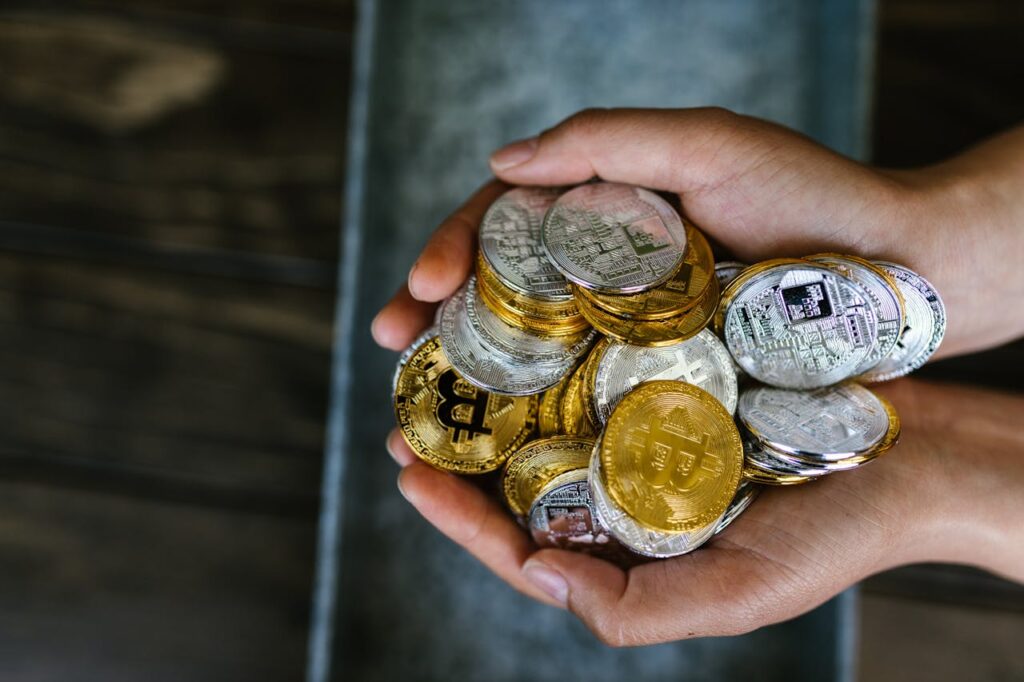
Real World Assets (RWAs) represent tangible or traditional financial assets that are brought onto a blockchain in tokenized form.
These assets can include real estate, commodities, bonds, invoices, or even intellectual property. By tokenizing RWAs,
blockchain technology enables fractional ownership, greater liquidity, and transparent settlement of traditionally
illiquid or complex assets.
What Are Real World Assets?
RWAs are physical or financial assets that exist outside the blockchain ecosystem but are digitally represented on-chain.
Tokenization involves creating blockchain-based tokens that correspond to ownership rights, claims, or shares in these real-world items.
This bridges the gap between decentralized finance (DeFi) and traditional markets.
Examples of RWAs on Blockchain
- Real Estate: Properties can be tokenized, allowing investors to buy fractional shares in buildings or land.
- Commodities: Gold, oil, or agricultural products can be represented by tokens backed by reserves.
- Government Bonds: On-chain bonds give access to traditional debt instruments through DeFi protocols.
- Private Credit & Invoices: Businesses can tokenize receivables and use them as collateral.
- Art & Collectibles: Physical art pieces can be fractionalized, providing new investment opportunities.
Benefits of Tokenizing RWAs
- Liquidity: Fractionalization allows investors to trade small portions of high-value assets.
- Accessibility: Global investors can participate without traditional entry barriers.
- Transparency: Blockchain provides clear ownership records and auditable transactions.
- Efficiency: Smart contracts automate settlement and reduce reliance on intermediaries.
- Innovation: Opens the door for new financial products combining DeFi and traditional assets.
Challenges in Bringing RWAs On-Chain
- Legal & Regulatory: Jurisdictions vary in how they treat tokenized ownership and compliance.
- Custody & Trust: Real-world collateral must be verifiably held by trustworthy custodians.
- Valuation: Pricing of RWAs can be subjective and may require reliable oracles.
- Liquidity Risks: Secondary markets for tokenized RWAs are still developing.
- Integration: Bridging traditional financial systems with decentralized infrastructure is complex.
RWAs in DeFi
Decentralized finance platforms are increasingly integrating RWAs to back stablecoins, provide collateral for loans,
and diversify yield opportunities. For example, tokenized U.S. Treasury bonds and commercial real estate are being used
to support stable value in DeFi protocols, merging traditional financial stability with blockchain innovation.
Future Outlook
The tokenization of RWAs is expected to play a key role in the growth of blockchain adoption. As regulatory clarity improves,
more institutions and governments may adopt blockchain for asset management, securities issuance, and cross-border settlement.
With trillions of dollars of real-world assets potentially entering digital ecosystems, RWAs could be one of the biggest drivers
of Web3 growth in the coming decade.
Real World Assets in blockchain represent the fusion of traditional markets and decentralized technology.
By enabling liquidity, transparency, and global accessibility, RWAs unlock opportunities that were previously
limited to large institutions. Despite regulatory and technical hurdles, the growing momentum behind tokenized assets
suggests that RWAs will become a cornerstone of the digital economy.
Disclaimer: This article is for informational purposes only and should not be considered financial, investment, or legal advice.